
Traditional Chinese Medicine (TCM) has a long history of utilizing various herbs and natural substances to promote health, balance the body’s energy, and treat ailments. One such significant herb in the TCM pharmacopoeia is the Huang Bo (黄柏), also known as the Amur corktree (Phellodendron amurense). This ancient plant, often overlooked in Western medicine, holds an esteemed place in Eastern healing traditions for its profound therapeutic benefits.
What is Huang Bo (Amur Corktree)?
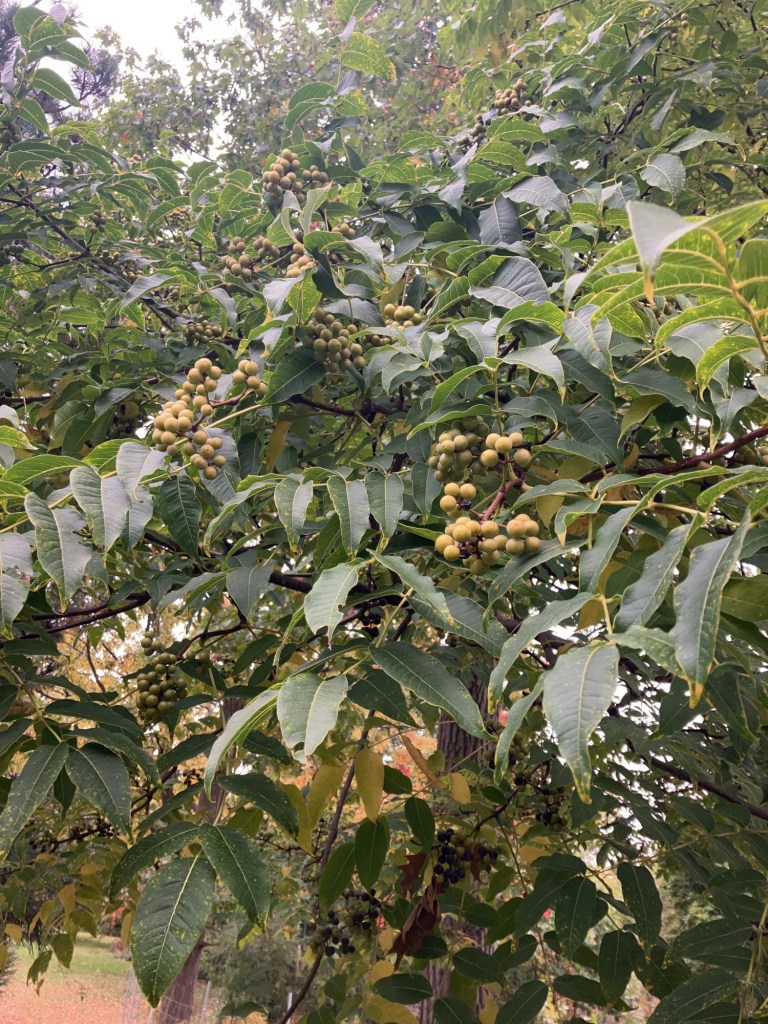
Huang Bo refers to the bark of the Amur corktree, a deciduous tree native to parts of northeastern China, Korea, and Japan. The corktree grows to around 10 to 25 meters in height and is known for its thick, cork-like bark, which is the medicinal part used in Chinese medicine. The bark, yellow in color (hence “huang,” meaning yellow in Chinese), has been harvested and processed into herbal formulations for centuries.
The Role of Huang Bo in Traditional Chinese Medicine
In TCM, the philosophy behind healing revolves around the balance of yin and yang and the smooth flow of Qi (vital energy) through the body’s meridians. When this balance is disturbed, illness occurs. Huang Bo is considered a cooling and bitter herb, falling under the category of herbs that clear heat and dry dampness.
Its properties target:
1. Clearing Heat and Dampness: Huang Bo is primarily used to clear excess heat in the body. In TCM, heat often manifests as inflammation, fever, or conditions characterized by redness, swelling, and discomfort. Dampness, on the other hand, refers to stagnation or an excess of fluids in the body, leading to problems like swelling, heaviness, or digestive issues. Huang Bo effectively combats both of these imbalances.
2. Treating Inflammatory Conditions: Huang Bo is commonly prescribed to alleviate inflammatory skin conditions like eczema and psoriasis, as well as to treat symptoms of infection, such as painful, swollen joints, or boils.
3. Support for the Urinary and Reproductive Systems: The herb is often included in formulas to treat damp-heat conditions in the lower part of the body, such as urinary tract infections, vaginal discharge, and inflammation of the genitals.
4. Liver and Kidney Health: In TCM, Huang Bo is believed to support liver and kidney function. The liver is responsible for the smooth flow of Qi, while the kidneys store essence and regulate water balance. Huang Bo helps detoxify the liver and protect the kidneys from damage due to heat and dampness, balancing the organ systems and promoting longevity.
Key Bioactive Compounds in Huang Bo
Modern research has revealed some of the active ingredients responsible for Huang Bo’s medicinal effects. These include:
• Berberine: One of the most important alkaloids found in Huang Bo, berberine has strong antimicrobial, anti-inflammatory, and antioxidant properties. It has been studied for its potential to lower blood sugar, reduce cholesterol, and even aid in weight management.
• Palmatine and Jatrorrhizine: These compounds also contribute to the herb’s antibacterial and anti-inflammatory actions, making Huang Bo effective against a wide range of infections and inflammatory conditions.
Modern Uses and Research on Huang Bo
While traditional uses of Huang Bo focus on clearing heat and resolving dampness, modern scientific research is increasingly validating its medicinal value. Berberine, in particular, has garnered attention for its wide range of therapeutic applications:
1. Antibacterial and Antiviral Effects: Berberine has shown potential in combating a wide range of bacteria and viruses, making it useful in treating infections such as E. coli and staph infections.
2. Metabolic Support: Berberine’s ability to regulate blood glucose levels has made it a popular supplement for people with type 2 diabetes. It’s been shown to enhance insulin sensitivity and lower blood sugar levels in several clinical trials.
3. Anti-Inflammatory Benefits: Huang Bo’s compounds can reduce inflammation, making it a useful adjunct therapy for conditions such as arthritis, irritable bowel syndrome, and other inflammatory diseases.
4. Heart Health: Huang Bo’s ability to reduce cholesterol and improve lipid profiles suggests that it may play a role in promoting cardiovascular health, reducing the risk of heart disease and stroke.
How is Huang Bo Used?
In TCM, Huang Bo is often used in combination with other herbs to create complex formulas that address the root causes of imbalances in the body. It is commonly included in decoctions (herbal teas), pills, and powders. Some well-known TCM formulas that include Huang Bo are:
• San Huang San: A classic remedy for skin inflammation.
• Zhi Bai Di Huang Wan: A formula used to nourish the kidneys while clearing heat.
In modern herbal practice, Huang Bo can be found in capsule or extract form, often marketed for its berberine content. However, like many potent herbs, it is crucial to use Huang Bo under the guidance of a qualified practitioner to avoid potential side effects, such as gastrointestinal discomfort or interactions with other medications.
Conclusion
The Huang Bo (Amur corktree) is a time-honored herb that bridges the gap between ancient wisdom and modern science. Whether you’re interested in its antimicrobial, anti-inflammatory, or metabolic benefits, Huang Bo demonstrates the power of natural remedies in promoting health and balance. With ongoing research, it may soon find its place not just in TCM clinics, but also in the global medical community as a valuable tool in the treatment of various conditions.
However, as with any potent herbal remedy, it’s essential to consult with a knowledgeable practitioner before incorporating Huang Bo into your health regimen to ensure safety and optimal results.

Leave a Reply